As we head into winter, many people will be hoping for snow - maybe even a white Christmas - although perhaps not many motorists!

The world's largest collection of historic British cars


The world's largest collection of historic British cars
The lack of grip, poor visibility, and even de-icing the windows, can make driving in winter very challenging. These difficulties however, have presented themselves as opportunities to many car manufacturers and motorsport disciplines to really demonstrate the skill and ability of both those behind the wheel and those designing and building these specialist vehicles.
One of the longest established motorsports events in the world, the Rallye Monte-Carlo, was first held in January 1911. Traditionally starting from various cities throughout Europe, the drivers ‘rally’ together to end up in the Principality of Monaco in the shortest time possible. On their way to winning in 1964, driver Paddy Hopkirk and co-driver Henry Liddon began their attempt in the frozen Belarussian capital, Minsk, a formidable 1250 miles from the official start in the French city of Reims. The snow was so deep in Minsk that their Mini Cooper S had to receive a tow start from local tractors! When reaching the wintery Alpine mountains, designer Alec Issigonis’ front wheel drive layout, along with correct tyre choices, greatly helped the Mini. The weight over the front axle provided better traction than many of their rivals, including the heavier, rear wheel drive Ford Falcon, which finished second.
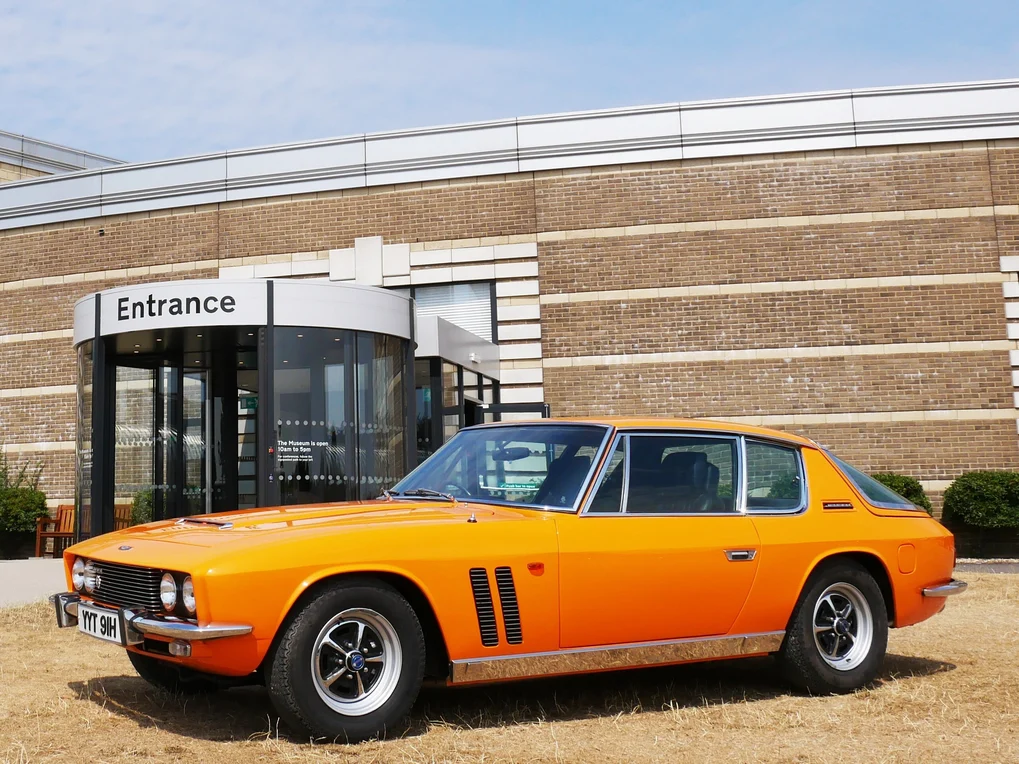
One of the world’s first four-wheel-drive sportscars was the Jensen FF, which stood for 'Ferguson Formula', after the system developed by the Irish tractor manufacturer Harry Ferguson to increase safety. It wasn't until 1981 however that a World Rally Championship car benefited from the extra traction of four-wheel-drive with the debut of the Audi Quattro - ‘quattro’ being Italian for four. It won just its second event, the snowy Swedish rally with the Finnish driver Hannu Mikkola, demonstrating the benefits of the superior traction and control on low friction surfaces. The harsh winters in Nordic countries have resulted in extensive winter driver training, skills which have resulted in 19 combined WRC Drivers’ Championships for drivers from Finland, Sweden and Norway.
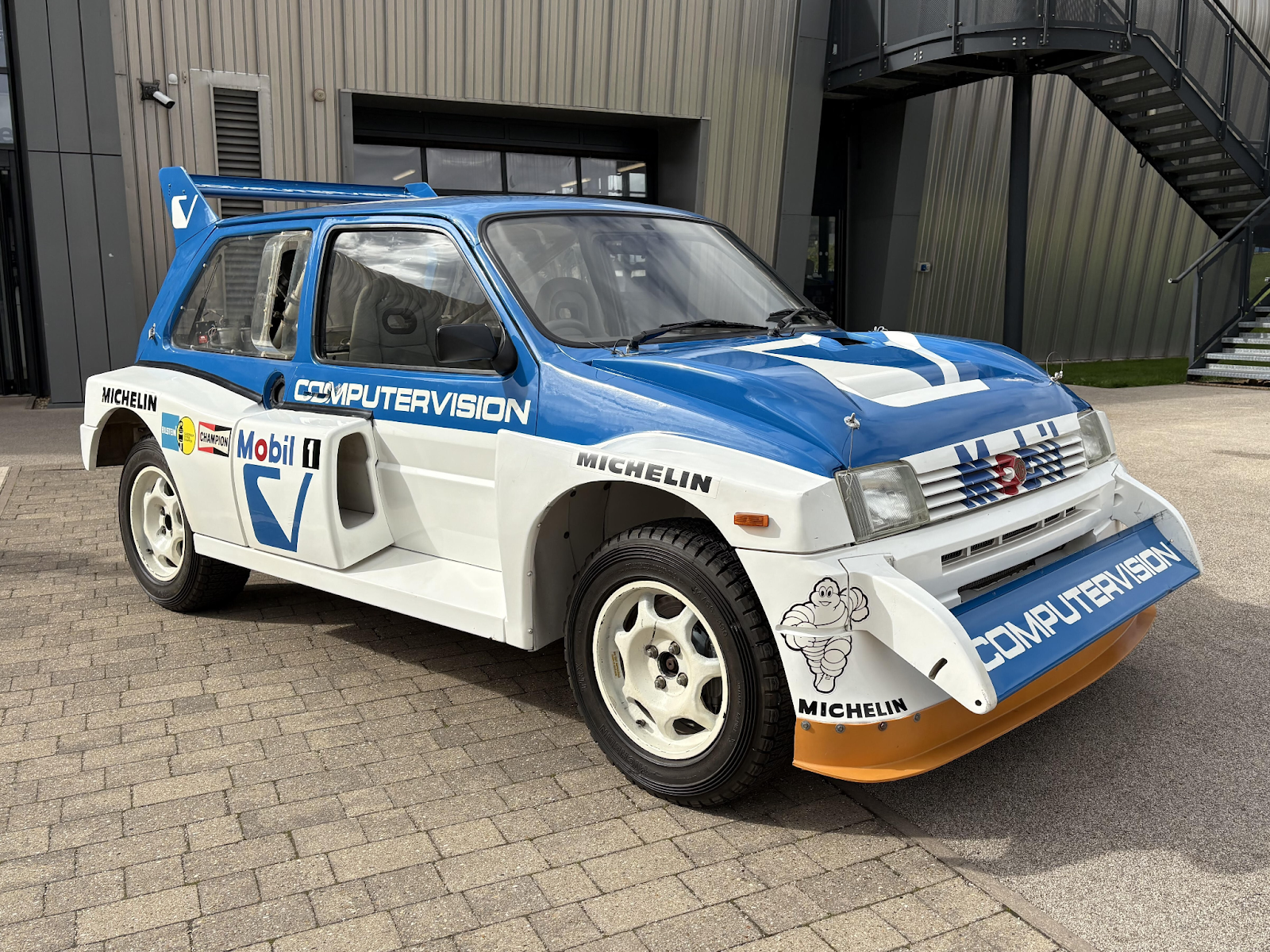
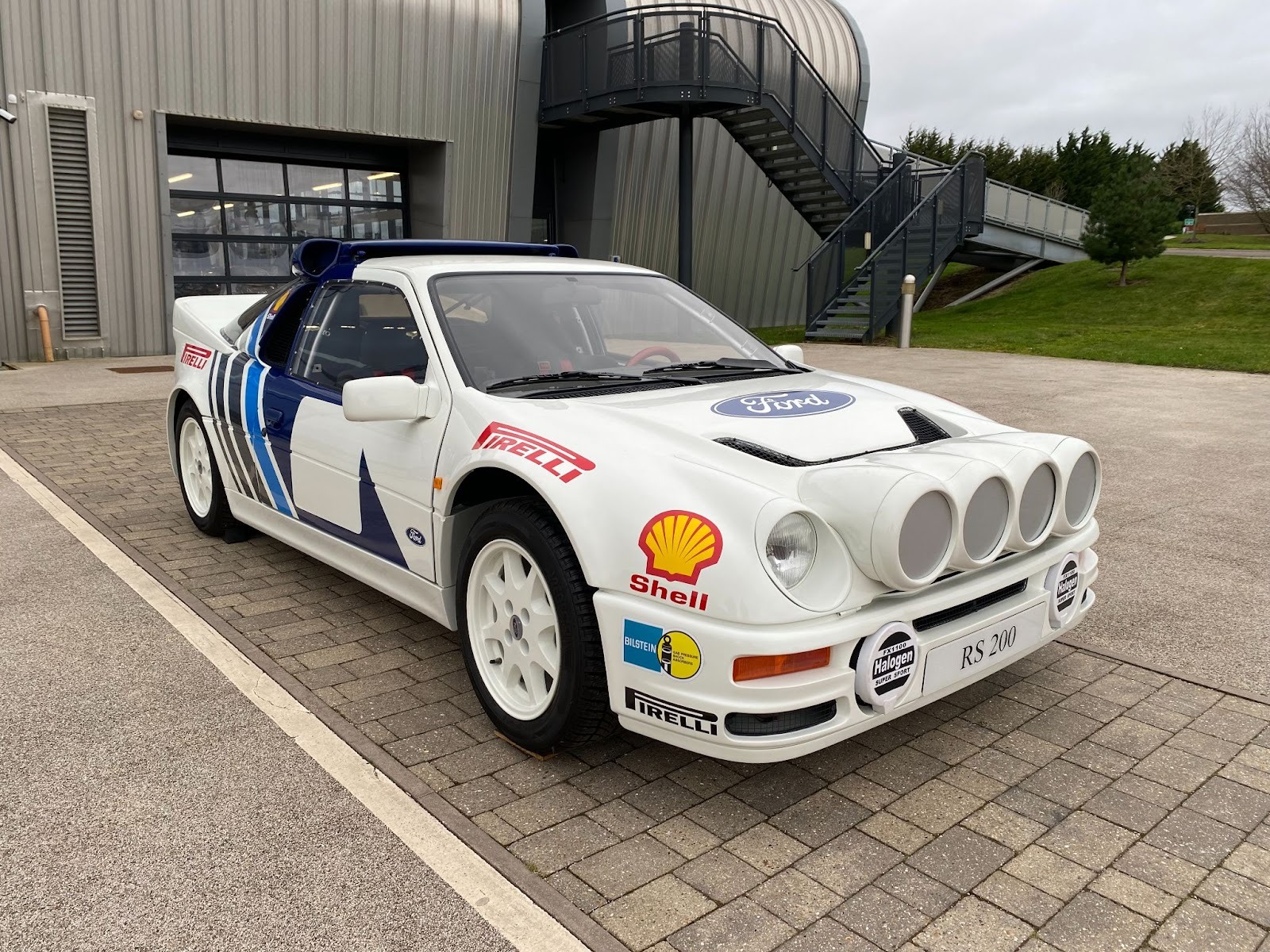
Four-wheel-drive became the standard for the WRC with the advent of Group B rules in 1982 with British works teams a little late to the party - the MG Metro 6R4 debuted at the final event of 1985 in Great Britain, whilst the British built Ford RS200 first appeared at the second event of 1986 in Sweden. The RS200 again showed the benefit of four-wheel-drive on snow with driver Kalle Grundel taking a brilliant 3rd place in his home event. Special rally snow tyres are narrower to dig through snow, operate at a much lower temperature, and each feature almost 400 metal studs to bite into the snow and ice, giving drivers almost as much grip as they would get on tarmac!
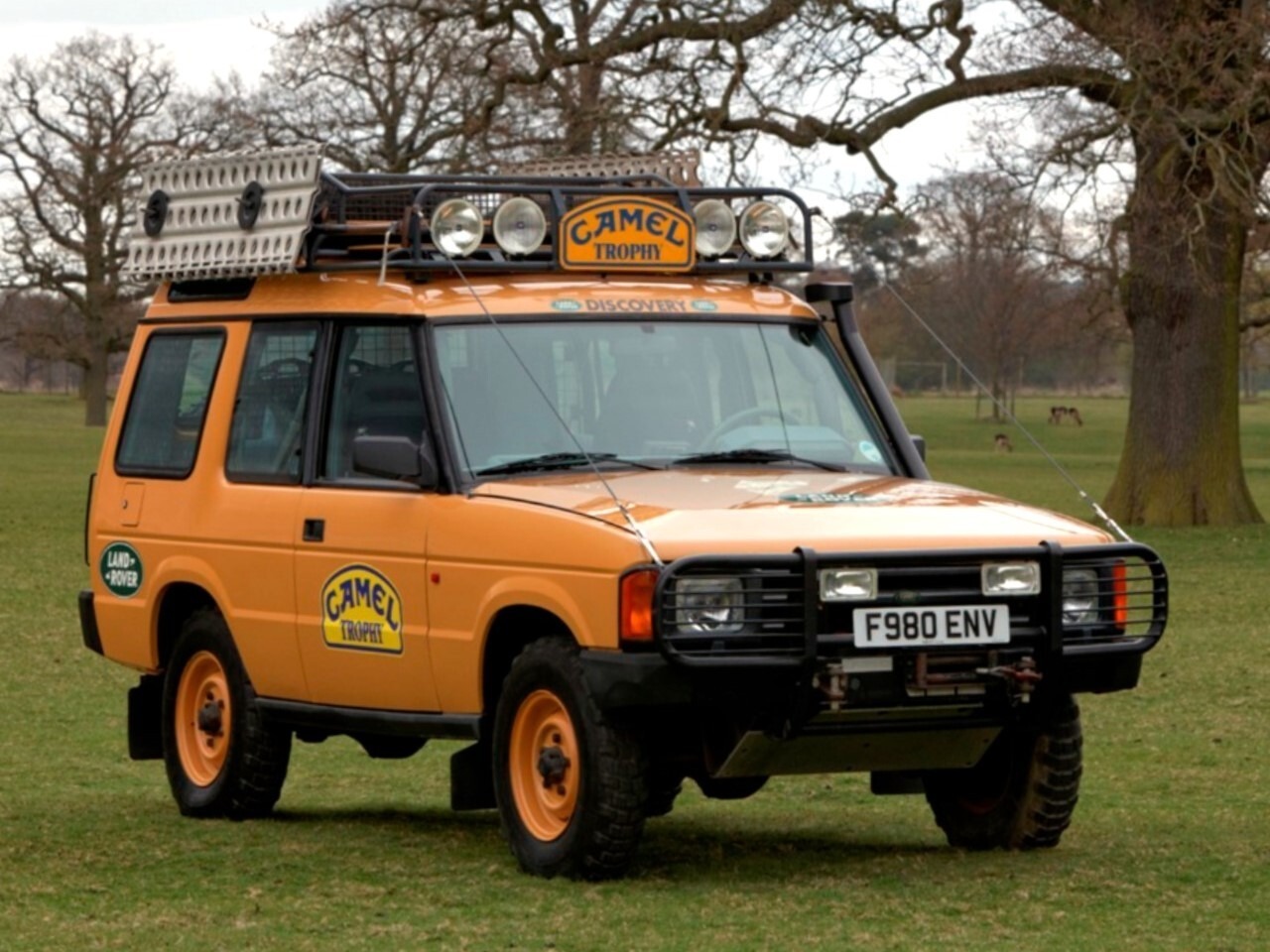
The Camel Trophy was an annual event sometimes referred to as the ‘Olympics of 4x4’. From 1981-1998, various Land Rovers were used with driver teams from around the world demonstrating their skill, and the ability of the cars, across treacherous terrain. This Discovery, finished in distinctive ‘sandglow’ yellow, a promotional vehicle for the 1990 event in Siberia, in the east of the Soviet Union. In 1998, it was the newly released Freelander which was chosen to tackle the snowy Andes mountain range in South America. Critics were worried that the SUV Freelander would be outshone by the Defender 110 support vehicles, but they were fast and agile, handling the snow sections with ease. The Mk1 Freelander also proved a success in the showrooms, becoming Europe’s best selling 4x4 in the first five years of production with over half a million cars sold in its 9 year lifespan.
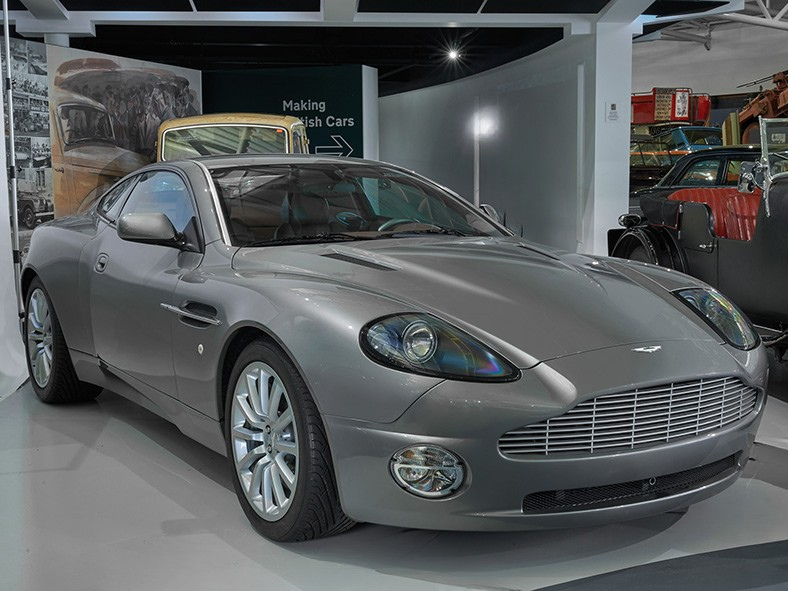
An Aston Martin might not be the first vehicle you would think of to tackle challenging winter conditions, as powerful rear wheel drive sportscars can be difficult to handle when grip is low. Superspy James Bond, however, has done just that on more than one occasion. The Q Branch modified Aston Martin V8 Vantage in 1987’s ‘The Living Daylights’ was even equipped with outrigger skis to help escape the Czechoslovakian authorities across a frozen lake. The Aston Martin V12 Vanquish on display at the Museum may be the same colour as the one used in 2002’s ‘Die Another Day’, but it is unfortunately missing some of the features of the spy car, such as missiles, adaptive camouflage, and retractable tyre spikes. Spiked tyres were essential to do battle with the equally tricked out Jaguar XKR on an expansive frozen lake in Jökulsárlón, Iceland. Behind the scenes, as well as using spiked tyres to grip the low friction ice, the Aston Martin and Jaguar used on the ice had also been converted to four-wheel-drive, showing how beneficial the system is when driving in winter conditions.
Challenge: Do you have any photos or memories of driving in frosty conditions? Have you ever experienced a winter rally, either as a spectator or a competitor? Let us know in the comments and share your photos on our social media pages - don’t forget to use the hashtag #ExploringBMM!
The British Motor Museum's goal is to preserve Britain's motoring heritage for future generations to discover and enjoy. Donate now to provide vital support to our work, and help us to collect, conserve, share and inspire.
Tap the button below to contribute.


















.png)