
The world's largest collection of historic British cars


The world's largest collection of historic British cars
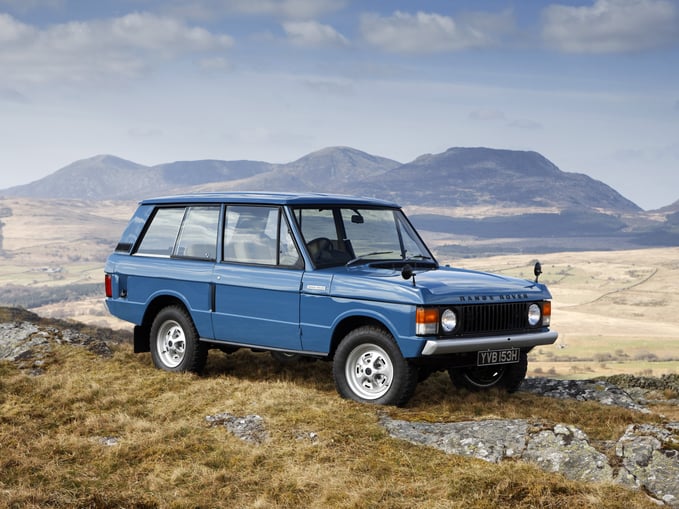
This is the first production Range Rover to come off the line. It was picked to be completed first from three cars due to the striking Tuscan Blue that was ideal for publicity photographs.
The Range Rover was designed as a multi-purpose vehicle with the off-road capability of the Land Rover, but also offered higher performance and a more comfortable experience. Spen King was in charge of the project and had significant input for both the engineering and styling, and worked alongside engineer Gordon Bashford before handing over final styling to David Bache.
After its 1970 launch, it was soon clear that the new Range Rover was being chosen by customers over more conventional luxury models - this demand unexpectedly drove the brand up-market. The success of the Range Rover may be best judged by the fact that the first series of Range Rover (now called Classic) remained in production for twenty-five years and was considered to be the leading four-wheel drive vehicle of its type in the world. By the end of production 317,615 Range Rover Classics had been made.
This car was sold by Land Rover in 1972, but it was tracked down in 1990 so it could be acquired by the Museum and restored.













.png)