The world's largest collection of historic British cars


The world's largest collection of historic British cars
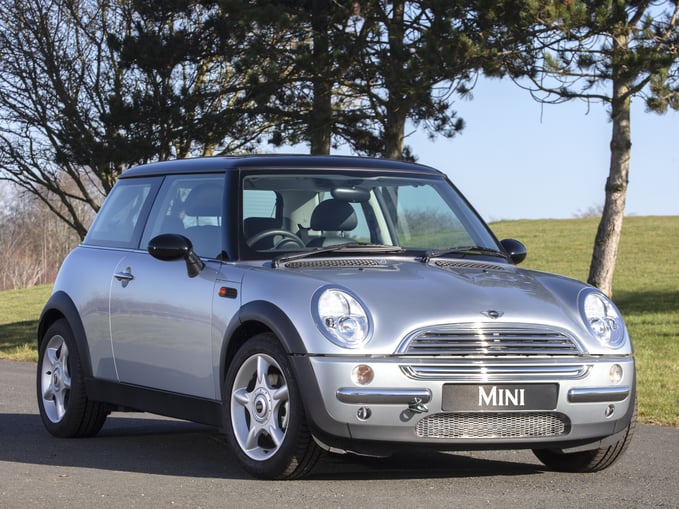
The new MINI aimed to modernise a classic by embodying the spirit and innovation of the original. The popular design has been one of the greatest successes in automotive history.
Whilst keen to release a brand new version of the Mini, BMW (who acquired the brand in 1994) wanted the new car to feel like a sporty, premium and modern successor to the classic.
The new design by Frank Stephenson was picked in a ‘design shoot-out’ right here at the Museum on the 15th October 1995. The car was much bigger than the original that had been penned by Alec Issigonis in the late 1950s, but it retained many of the classic characteristics to help keep continuity.
The MINI was shown as a surprise concept at the 1997 Frankfurt Motor Show and it hit the headlines. Its rounded exterior styling and a large centre-mounted speedometer inside felt nostalgic, but BMW stressed that it was an ‘evolution of the original’.
Underneath it was a brand new car, having BMW's Z-axle rear suspension and a 1.6 litre unit, built in Brazil by Tritec Motors - a joint venture between BMW and DaimlerChrysler. The first models available were MINI One and Cooper, of which this particular car is one of the first to be produced at BMW's new manufacturing facility at Cowley.
The new MINI initially sparked controversy with enthusiasts, but it became a huge hit with buyers and continues to be one of the great success stories of British automotive manufacturing.













.png)